
New Horizons in the Fight Against Aging: Rapamycin and Anti-Necrotic Approaches – CAN AGING BE PREVENTED?
Prof. Dr. F. Cankat Tulunay
Honorary President of EACPT, President of Turkish Rational Drug Use Platform
1. Introduction
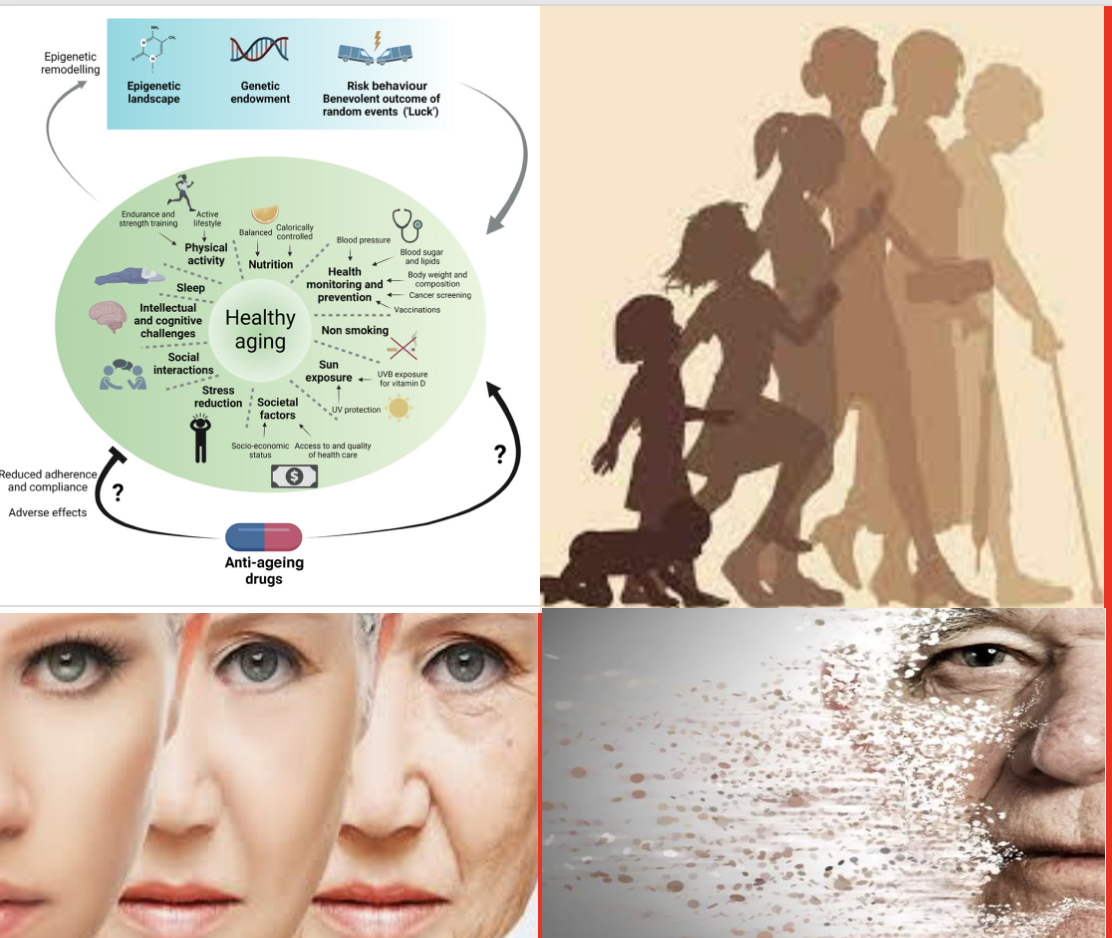
Aging is a complex biological process characterized by a decline in physiological capacity and increased risk of disease, resulting from accumulated molecular, cellular, and systemic damage over time. In recent years, pharmacological strategies developed to slow or delay aging have become central to biogerontology. Two notable approaches are rapamycin-based mTOR inhibitors and Anti-Necrotic™ molecules that target necrosis.
2. Rapamycin and the mTOR Signaling Pathway
Rapamycin is a macrolide antibiotic isolated from Easter Island in the 1970s. Through its inhibitory effect, it protects against cellular stress, enhances autophagy, and has been shown to extend lifespan in various organisms.
Rapamycin inhibits the mTORC1 (mammalian target of rapamycin complex 1) pathway, which regulates protein synthesis, cell growth, and proliferation. mTORC1 also influences lipid metabolism and autophagy. Inhibition of this pathway slows cell proliferation, enhances autophagy (self-cleaning mechanism), and increases cellular resistance to stress.
- In mice, rapamycin has been shown to extend lifespan by 10–30% (Harrison et al., 2009; Wilkinson et al., 2024)
- Prevents accumulation of cellular waste via increased autophagy
- Mimics the biological effects of caloric restriction
- Reduces inflammation and aging-related tumors
- Exhibits anti-aging effects in C. elegans, Drosophila, and yeast models
Approved uses include immunosuppression in kidney transplantation (as a tacrolimus alternative) and coating for cardiac stents due to anti-proliferative effects. Low-dose usage for anti-aging purposes is currently under clinical investigation.
3. Anti-Necrotic™: A New Targeted Approach to Necrosis
Necrosis is an uncontrolled form of cell death that contributes to inflammation and organ degeneration during aging. Anti-Necrotic™ is an experimental drug candidate developed by LinkGevity that directly targets this process. Although not yet clinically approved, it is believed to reduce age-related damage in the kidneys, heart, and nervous system.
4. The Role of Necrosis in Aging
Necrosis is a form of energy-independent cell death triggered by trauma, ischemic injury, or toxic exposure, often accompanied by inflammation and damage to surrounding tissues. Unlike apoptosis, it is disordered and detrimental to tissue integrity. In aging organisms, increased necrosis due to accumulated cellular damage and impaired regeneration is particularly evident in the kidneys, heart, muscles, and nervous system. This contributes to organ dysfunction and systemic inflammation (inflamm-aging).
5. The Anti-Necrotic™ Molecule
Anti-Necrotic™, developed by LinkGevity, is among the first therapeutic candidates aimed at suppressing necrotic pathways in cells. While still unapproved for clinical use, preclinical models suggest that preventing necrosis may preserve organ function and slow aging. The molecule was developed using LinkGevity's AI-assisted 'Blueprint Theory of Aging' drug discovery process. Anti-Necrotic™-like compounds may represent a new paradigm in preventing aging-related cellular degeneration. However, their long-term safety, dose-response characteristics, immune effects, and side effects remain uncertain. Compared to anti-apoptotic therapies, anti-necrotic approaches require further mechanistic studies and controlled clinical trials.
6. Clinical Potential and Applications
- Chronic kidney disease (age-related tubular damage)
- Cardiomyopathy (ischemic and hypertrophic types)
- Muscle weakness and sarcopenia
- Neurodegenerative diseases (where necrosis contributes)
- Tissue degeneration caused by prolonged microgravity in astronauts
7. Comparison of Rapamycin and Anti-Necrotic™ Approaches
- Rapamycin acts by systemically inhibiting mTOR, producing anti-aging effects
- Anti-Necrotic™ targets cell death mechanisms (necrosis) more directly
- Both aim to slow aging through different pathways; combined therapeutic strategies could offer additional benefits
8. Future Perspective
Anti-aging pharmacological strategies aim not only to extend lifespan but also to preserve quality of life. Molecules like rapamycin and Anti-Necrotic™ represent leading-edge approaches in this area. Future protocols may benefit from combining or sequencing such agents to enhance their effectiveness.
9. References
1. Harrison DE et al. (2009). Rapamycin fed late in life extends lifespan in genetically heterogeneous mice. Nature.
2. Wilkinson JE et al. (2024). Caloric restriction and rapamycin yield comparable longevity benefits in murine models. J Gerontol A Biol Sci Med Sci.
3. Technology Networks (2024). Could the Future of Longevity Lie in Tackling Necrosis?
4. LinkGevity – Company website and public releases.
5. Galluzzi L, et al. (2018). Molecular mechanisms of cell death: recommendations of the Nomenclature Committee on Cell Death. Cell Death and Differentiation.
6. Fulop T, et al. (2019). Inflamm-aging and immunosenescence: therapeutic targets. Nature Reviews Immunology.
7. Mannick JB et al. (2014). mTOR inhibition improves immune function in the elderly. Sci Transl Med.
8. Blagosklonny MV. (2019). Rapamycin for longevity: opinion article. Aging (Albany NY).
9. Kennedy BK, Lamming DW. (2016). The mTOR pathway and aging. Cell.